Which Documents Need Translation for Home Affairs in Australia?
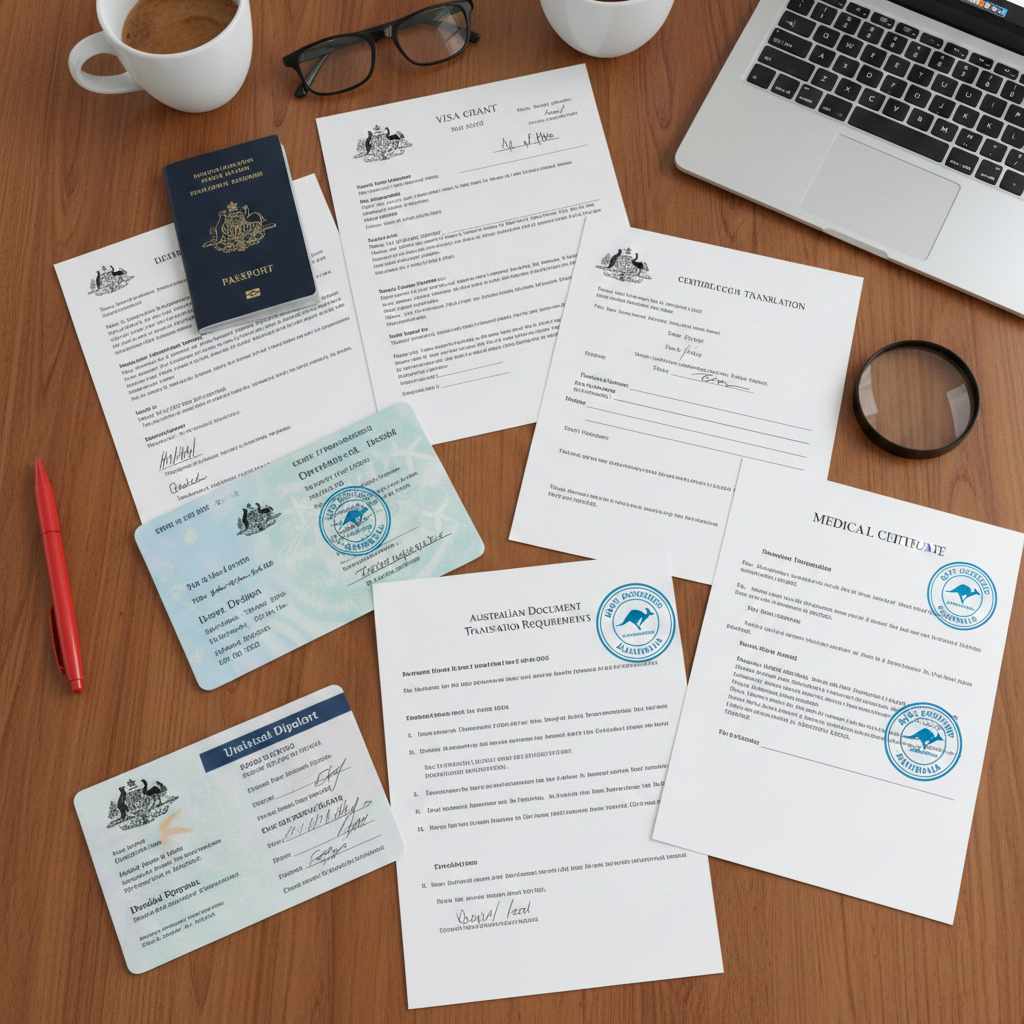
If you’re applying for a visa, permanent residency, citizenship, or any immigration-related process in Australia, chances are you’ll be asked to provide documents that aren’t in English. This is where many applicants get stuck—not because they don’t have the documents, but because they’re not sure which ones need translation and how strict Home Affairs really is.
The short answer is simple: any document submitted to the Department of Home Affairs that is not in English must be translated into English. But in practice, some documents cause more confusion than others.
Identity Documents
These are almost always required and must be translated if issued in another language. This includes birth certificates, national ID cards, family books, and name change certificates. Even if a document seems straightforward, Home Affairs won’t assess it unless there is a complete and accurate English translation attached.
Civil Status Documents
Marriage certificates, divorce papers, death certificates, and custody or guardianship documents are among the most commonly translated items. These documents are often crucial for partner visas, family visas, and dependent applications, and even small translation errors can lead to delays or requests for further information.
Passports and Travel Documents
While your passport photo page is usually obvious, many applicants forget about visas, entry stamps, or residence permits inside their passports. If Home Affairs asks for evidence of travel history or lawful stay in another country, those pages may also need translation.
Education and Employment Documents
For skilled migration, student visas, or certain work visas, you may be required to submit academic transcripts, diplomas, certificates, professional licenses, employment contracts, or reference letters. If any part of these documents is not in English, it must be translated fully—not summarised or partially translated.
Police Checks and Court Documents
Police clearance certificates, court judgments, or legal records issued overseas must be translated accurately and professionally. These documents are closely reviewed, and unofficial or informal translations are one of the most common reasons applications are delayed.
Military Records and Government Documents
In some cases, Home Affairs may request military service records, exemption certificates, or other official government-issued documents. These often contain technical or legal language, making professional translation especially important.
Financial and Supporting Evidence
Bank statements, tax records, or proof of income may also need translation if they are used to support your application. Even if only part of the document is in another language, Home Affairs expects the entire document to be translated.
Why the Translation Matters
Home Affairs does not accept just any translation. They require translations to be done by a properly qualified translator, and in Australia, this usually means a NAATI-certified translator. An incorrect, incomplete, or uncertified translation can result in processing delays, requests for further documents, or even refusal.
Final Thought
If you’re unsure whether a document needs translation, the safest approach is to assume that it does. Submitting a clear, professional English translation from the start can save you weeks—or even months—of back-and-forth with Home Affairs.
If you need NAATI-certified Arabic–English translations for Home Affairs applications, or professional interpreting services in Melbourne and ala other countries, you can find full details and contact me directly through my website. I specialise in official, accurate translations that meet Australian government requirements, so your application moves forward smoothly and with confidence.