Translating Immunisation Records in Australia: Your Questions Answered
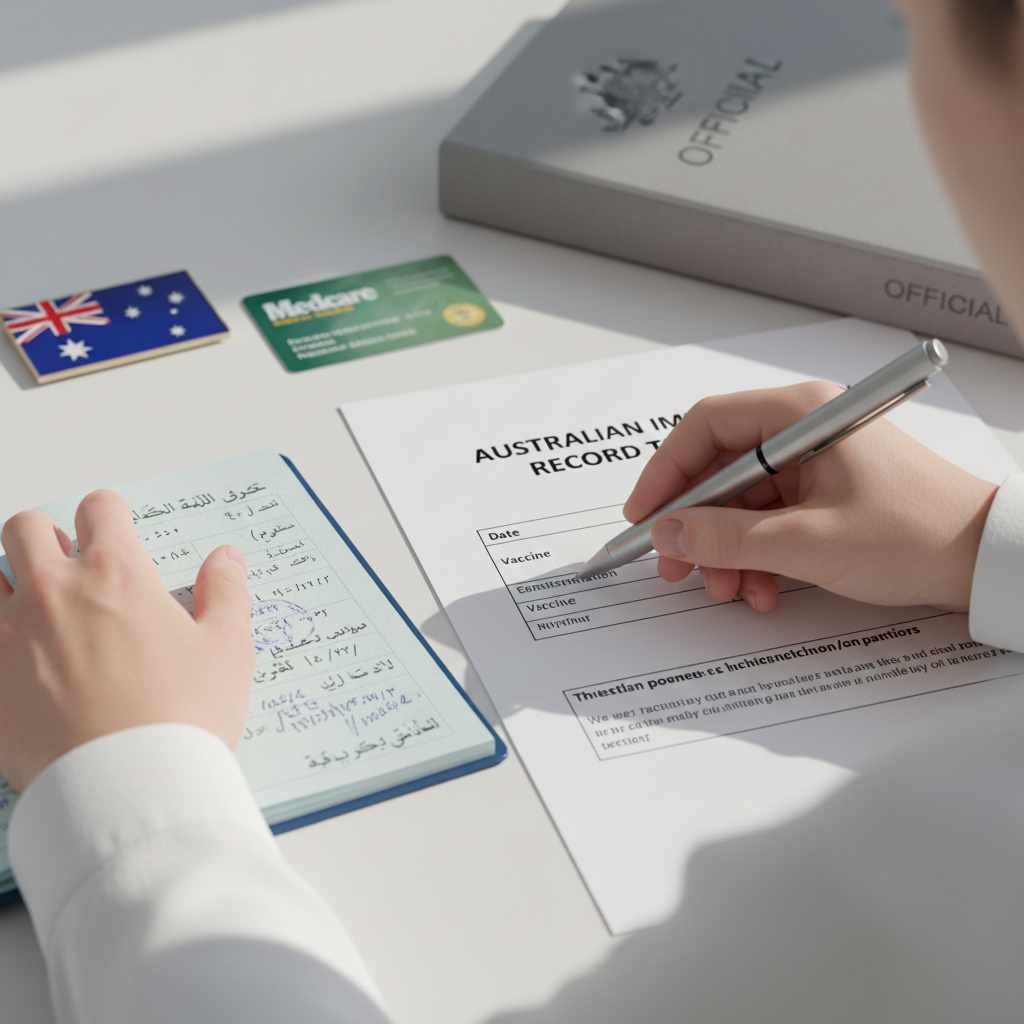
If you’ve moved to Australia or studied, worked, or lived overseas, chances are you’ve been asked to provide an English translation of your immunisation record. This often happens when enrolling children in school or childcare, applying for visas, registering vaccines with Medicare, or starting certain jobs.
To make the process clearer, here’s a simple Q&A-style guide that answers the most common questions people ask about translating immunisation records in Australia — without the legal jargon.
Do I really need to translate my immunisation record?
If your immunisation record is not in English, the short answer is yes. Australian authorities generally require an English version to properly assess your vaccination history. This includes schools, childcare centres, healthcare providers, and government departments. Without a translation, your record may be delayed or rejected.
Does the translation have to be NAATI certified?
In most situations, yes. A NAATI-certified translation is the standard requirement for official use in Australia. Certification confirms that the translator is qualified and that the translation accurately reflects the original document. This is especially important for Medicare, the Australian Immunisation Register (AIR), and visa-related matters.
What exactly gets translated in an immunisation record?
Everything. A proper translation includes all details exactly as they appear in the original document — the full name, date of birth, vaccine names, vaccination dates, batch numbers (if shown), and any stamps, signatures, or handwritten notes. Nothing should be summarised, interpreted, or left out.
Should vaccine names be translated into Australian equivalents?
No. Vaccine names are usually kept in their original or internationally recognised form. A professional translator does not guess or substitute vaccines. If clarification is needed, it is added carefully without altering the original meaning. Accuracy is critical when dealing with medical records.
How long does it take to translate an immunisation record?
Immunisation records are usually short documents, so turnaround is often 1–2 business days. If you’re working to a deadline — school enrolments and visa timelines are common examples — urgent services can often be arranged.
Can I just send a photo or scan of my record?
Yes. A clear scan or high-quality photo is normally acceptable. The key requirement is that all text, stamps, and dates are fully readable. If parts of the document are blurry or missing, the translation may be delayed or, in some cases, cannot be certified.
Will a translated record be accepted by Medicare or the Australian Immunisation Register?
A NAATI-certified translation is generally required when submitting overseas immunisation records for assessment and entry into the Australian Immunisation Register (AIR). While the final decision always rests with health authorities, a professional certified translation ensures your documents meet Australian standards.
Need Your Immunisation Record Translated?
At Andy Translations, I specialise in translating official documents for use in Australia, including immunisation records, medical documents, and government paperwork. As a NAATI-certified professional specialising in Arabic to English translation, I understand how precise these documents need to be — especially when they affect healthcare access, schooling, or visa outcomes.
I focus on:
- Accuracy with medical terminology
- Clear, compliant formatting
- Fast turnaround times
- Translations accepted by Australian authorities
If you need your immunisation record translated correctly the first time, visit andytranslations and get in touch today. Your documents deserve professional care — and peace of mind.