NAATI Translation: What It Means for Visa Applications in Australia
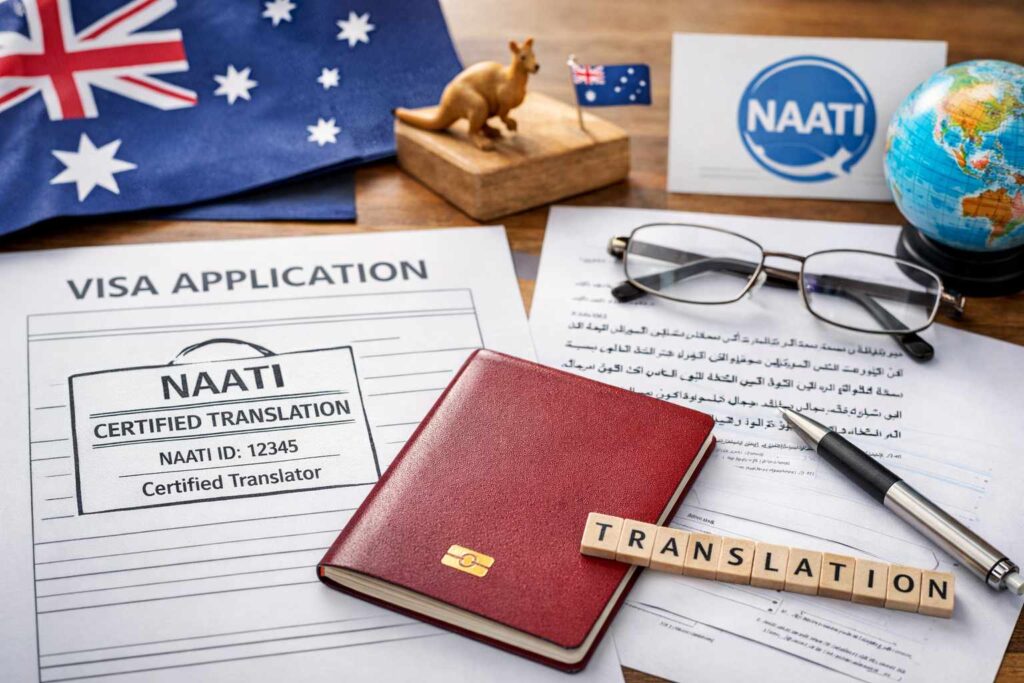
If you’re applying for a visa in Australia, you’ll quickly notice one rule that appears again and again: any document not in English must be translated. This is where NAATI translation comes in — and understanding what it actually means can save you time, money, and unnecessary stress.
NAATI, the National Accreditation Authority for Translators and Interpreters, is the body that sets the standards for translation and interpreting in Australia. When the Department of Home Affairs asks for a “certified translation,” they are referring to a translation completed by a NAATI-certified translator.
In simple terms, NAATI certification tells immigration officers that your translated documents are accurate, complete, and legally reliable.
Why NAATI translations are required for visa applications
Australian immigration deals with millions of documents every year, from birth certificates and marriage records to academic transcripts and employment references. To ensure consistency and fairness, Home Affairs requires translations that meet a recognised national standard.
A NAATI-certified translation includes more than just the translated text. It also contains a certification statement, the translator’s NAATI credentials, and confirmation that the translation is a true and accurate representation of the original document. This gives decision-makers confidence that nothing has been added, removed, or misunderstood.
Without this certification, your application may be delayed, or you may be asked to resubmit documents — something that can be frustrating, especially when timelines matter.
Which visa documents usually need NAATI translation?
Any document that is not in English generally needs to be translated. This often includes birth certificates, marriage or divorce certificates, family records, passports, police certificates, academic qualifications, employment letters, and financial or legal documents.
For partner and family visas, even personal documents such as relationship statements or affidavits may need professional translation. For skilled migration visas, employment references and qualification documents are especially important, as small errors can affect skills assessments.
Can I use a translation from overseas?
This is a common question. While translations completed overseas may be acceptable in some limited situations, the safest option is always a NAATI-certified translation completed in Australia. Using a non-NAATI translation can lead to additional requests from Home Affairs, which slows down your application and creates unnecessary back-and-forth.
Many applicants only realise this after submitting their documents and being asked to redo them — something that can easily be avoided from the start.
Accuracy matters more than you think
Visa applications are legal processes. Even small translation issues, such as inconsistent names, incorrect dates, or unclear terminology, can raise questions. A professional NAATI translator understands how migration authorities read documents and ensures that the translation matches Australian legal and administrative expectations.
This is particularly important for Arabic documents, where differences in spelling, naming conventions, and formatting can easily cause confusion if not handled correctly.
Choosing the right translator
Not all translators are the same. When choosing a translator for your visa application, it’s important to confirm that they are NAATI-certified, experienced with immigration documents, and familiar with Australian visa requirements.
A good translator doesn’t just translate words — they provide clarity, consistency, and peace of mind throughout the process.
Conclusion
NAATI translation is not just a formality; it’s a key part of a successful visa application in Australia. Getting it right from the beginning can help your application move smoothly and reduce the risk of delays or complications.
If you’re preparing a visa application and your documents are in Arabic or another language, working with a NAATI-certified translator ensures your documents meet Australian immigration standards. Accurate, professional translations allow case officers to focus on your application — not on questioning your paperwork.
If you’d like help translating documents for an Australian visa application, you can learn more about my NAATI-certified translation services at andytranslations.com.